
What are the first signs a septic tank needs pumping?
Slow drains in more than one fixture at once is the tell. If your kitchen sink, shower and toilet all back up around the same time, water has nowhere to go because the tank is full or the leach field is saturated. Gurgling sounds from pipes after a flush mean air is trapped behind wastewater that should have moved through. A soggy patch of lawn over the tank or field, especially in dry weather, points to liquid surfacing where it shouldn't. Sewage odor near the tank lid or drain field is a late-stage sign, not an early one. Garden Grove households on septic systems should treat any two of these together as a reason to schedule septic pumping service rather than wait. Pumping frequency depends on tank size and household size, and a septic tank pumping cost quote usually starts with those two numbers.
Why does my septic tank smell bad?
A smell means gas is escaping where it shouldn't, usually a dry trap, a cracked vent pipe or a tank close to full. Every plumbing fixture has a trap that holds water to block sewer gas; if a drain is used rarely, that water evaporates and gas comes through. A vent pipe on the roof lets gas escape safely, so a blocked or damaged vent pushes odor back into the house instead. If the smell is outside, near the tank itself, that is different: it usually means the tank is at or near capacity and needs septic tank cleaning. Commercial kitchens have a related problem with grease. A grease interceptor is pumped once fats, oils, grease and solids reach 25 percent of the liquid depth, and restaurants around Garden Grove on interceptors should ask about grease trap pumping on a fixed schedule rather than waiting for a smell to show up in the dining room.
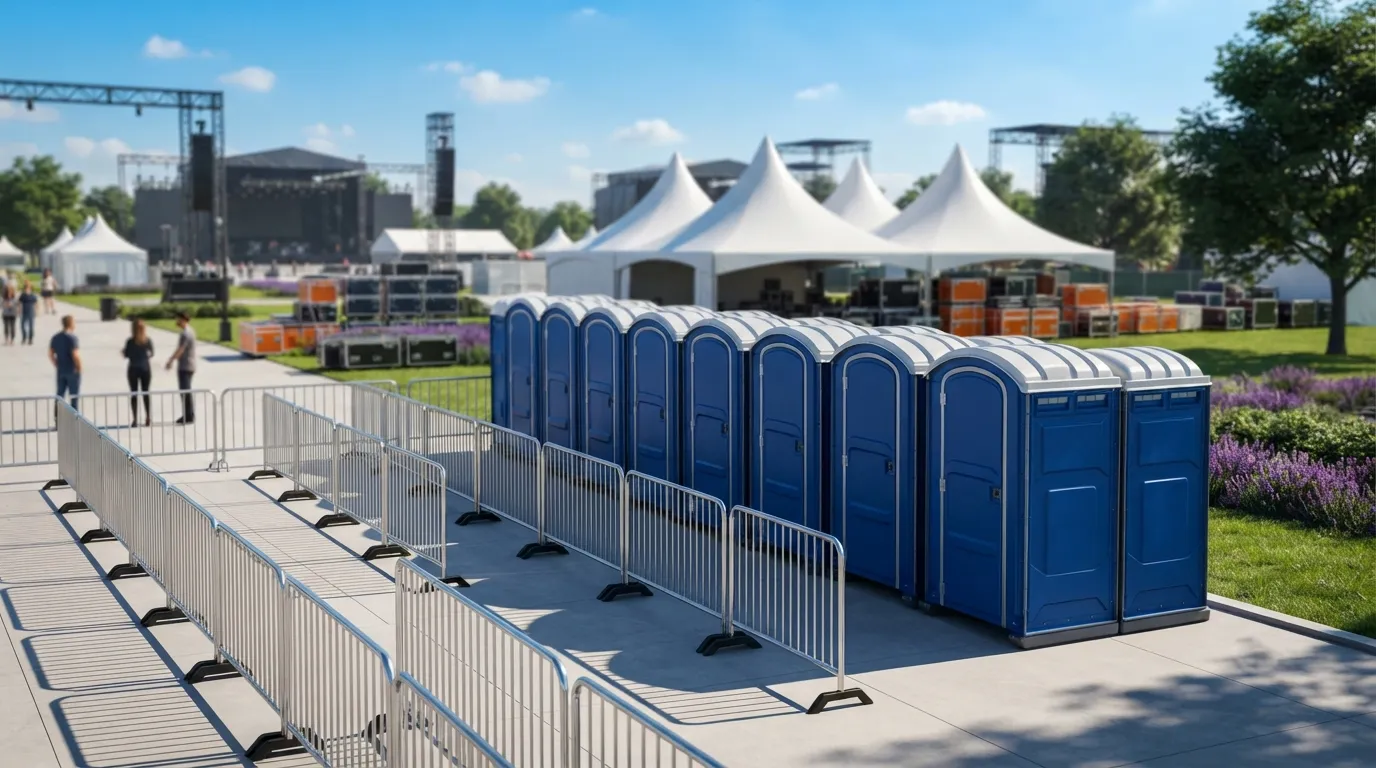
How often should I have my septic tank pumped?
Every 3 to 5 years for a standard 1,000 gallon residential tank, though a larger household or a smaller tank shortens that interval. Families that run more loads of laundry, host more guests, or added a bedroom without upsizing the tank should lean toward the 3 year end. If you've never had the tank located and pumped, or you don't know its size, that's the first call to make before deciding on an interval. Homes near Stanton, about 3.8 miles northwest of Garden Grove, and out toward Cypress, 7.3 miles northwest, sit on similar soil and see similar pumping intervals. For a property mid-renovation or a home without working plumbing, a holding tank rental covers the gap, and for a system failure that can't wait for a scheduled slot, emergency septic service is the faster path than emergency dumping ordinances allow otherwise.
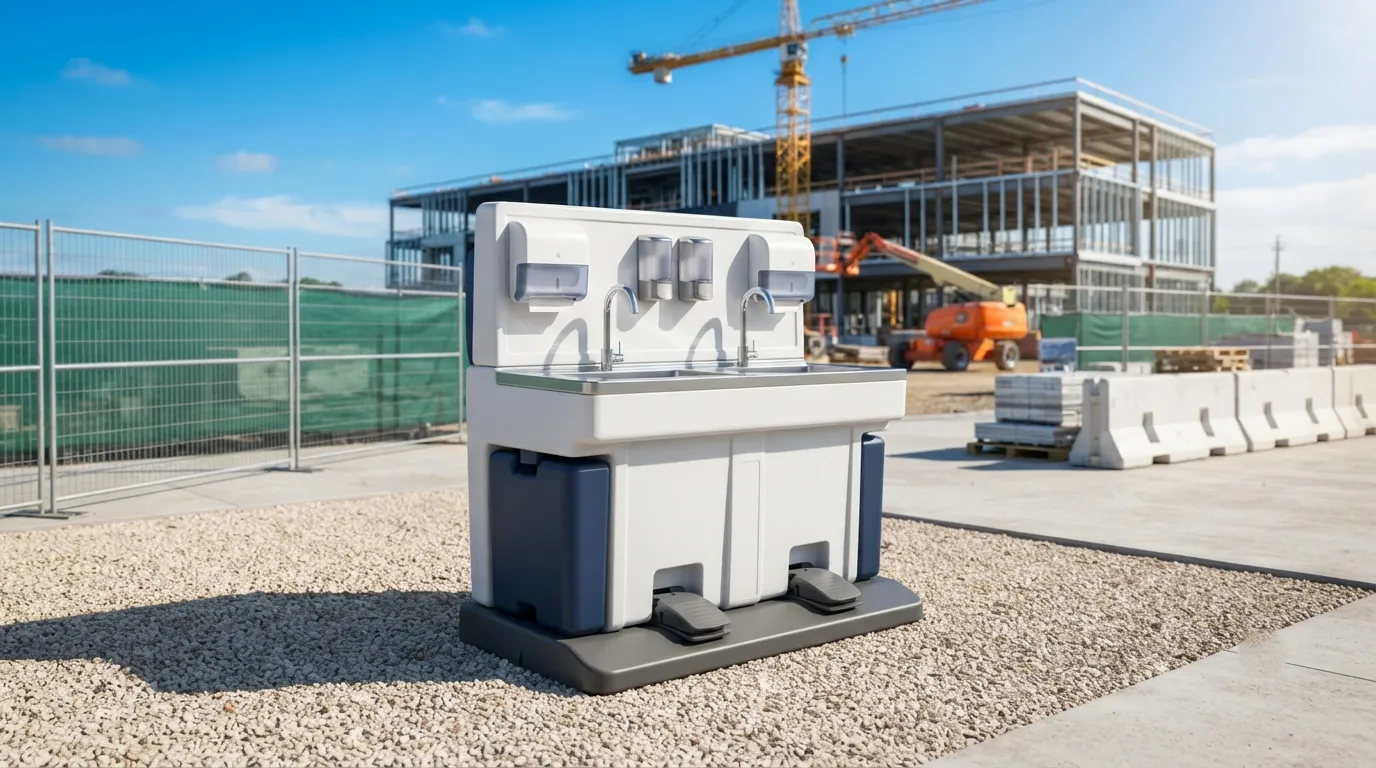
Can a full septic tank cause plumbing backups?
Yes, and it's usually the most obvious sign something's wrong. When a tank fills past its working capacity, wastewater has nowhere to settle and it backs up into the lowest drains in the house first, often a basement floor drain or a ground-floor shower. This is different from a single clogged pipe: a clog affects one fixture, a full tank affects several at once, especially after heavy water use like laundry or a full dishwasher cycle. If backups happen right after those events and clear up a day later, the tank is likely near capacity rather than blocked. Construction sites and renovation projects around Garden Grove that put a house's plumbing offline for weeks often lean on porta john rental or a home renovation porta potty rather than stress a septic system that's already borderline, and general contractors handling multiple trades on one job frequently bundle that with broader construction site services including a dumpster and temporary fencing.

Warning Signs at a Glance
| Sign | Likely Cause | What to Do |
|---|---|---|
| Multiple slow drains | Tank near full or field saturated | Schedule pumping |
| Gurgling pipes | Trapped air, restricted flow | Inspect vent and tank level |
| Standing water over field | Field saturated or tank overflowing | Pump tank, evaluate field |
| Sewage smell outdoors | Tank at capacity | Pump promptly |
| Sewage smell indoors | Dry trap or vent issue | Check fixture use, inspect vents |
A septic day-rate service call in Garden Grove runs in the 150 to 300 dollar range depending on access and tank condition, and weekend service typically runs 50 to 150 dollars as a add-on rate rather than a full service call. For homeowners weighing a full assessment against a quick pump-out, it helps to read [septic tank warning signs] against actual how often to pump a septic tank guidance before booking.
How do I know if it's the tank or the drain field?
The tank usually shows up as a smell or slow multi-fixture backup; the field shows up as standing water or unusually green grass in a strip pattern outdoors. If pumping the tank doesn't fix slow drains within a day or two, the field itself may need evaluation, which is a separate repair from routine septic tank pumping cost work.
Can I pump a septic tank myself?
No. Tanks hold hazardous gas and require specific equipment to pump and haul waste legally. Garden Grove homeowners should book a licensed septic pumping service rather than attempt it, both for safety and because improper disposal creates liability.
What happens if I ignore septic warning signs?
Backups get worse, and a saturated drain field can require full replacement instead of a simple pump-out. Waiting turns a 150 to 300 dollar service call into a much larger field repair. Early action through septic tank cleaning is almost always cheaper than delayed action.
Do restaurants have similar warning signs?
Yes, grease interceptors show similar signs: slow drains near the kitchen and odor near the interceptor lid. The interceptor is due for grease trap pumping once grease and solids hit 25 percent of liquid depth, which a pumping crew can check on site.
Is a holding tank a permanent fix?
No, a holding tank is a temporary bridge while a septic system is repaired, replaced, or a property is under construction without working plumbing. Garden Grove properties mid-renovation often pair a holding tank rental with portable restroom rental for crews on site.
Next step
Get a delivery date
Tell us the address, the dates and the headcount. We size the order and confirm the route.